Is Home Espresso Machine As Vital As Everyone Says?
The Hidden Costs of Buying a Home Espresso Machine It can be intimidating to add an espresso machine to your kitchen. However, it's not as difficult as you think. If you're looking for a way to save money on coffee shop drinks or want to hone your barista skills, there's an espresso machine for everyone. Consider features such as a manual portafilter for practicing tapping. It could take a while to master this method. Also, automated milk frothing can produce real differences in texture and temperature. Basics Espresso consumption in the United States has soared over the last two decades. It's now commonplace to find espresso machines in bookshops, supermarkets, laundromats and even gas stations, as well as at cafes and street-side carts. While these are smaller than the commercial models used in coffee shops, they work using the same principles and can produce the concentrated coffee at home that has become the caffeinated beverage of choice for many people across the nation. To be able to produce the concentrated espresso drink every machine must include some sort of heating system that can bring the water to the proper temperature. These range from basic stovetop devices which use an open flame as a heating source to water to electric powered machines that have a boiler system. Certain espresso machines come with various options to make it easier and more precise to make the drinks they want. Some espresso machines have an integrated grinder which makes it easier than grinding beans by hand. This is especially helpful for those who are new to the field and do not know how to grind the coffee beans correctly or how to tamp them and press. The pressure relief valve is an electromechanical device that opens automatically to relieve the pressure buildup inside the filter basket or portafilter after brewing espresso. This is crucial because it prevents the rapid release of steam that would otherwise splash hot coffee grounds all over on your countertop, machine, and you. Some less expensive espresso machines do not come with this feature, so be sure to check before purchasing. Another feature that is important is the possibility to alter the size of the brewed shot and the amount of steamed milk that is produced by the machine. This allows you to experiment and find your favorite drinks. You can also refine your brewing technique. It's important to keep in mind that the quality of your beans will determine the flavor of your espresso. If you don't begin with freshly roasted, specialty graded beans, no amount of top-of-the-line features can make the best cup. Variations A home espresso machine has many options to choose from depending on your needs. Certain machines have more features and settings that can be altered to make the perfect cup of coffee, while others may be less complicated and cost-effective. The size of the machine can also impact its cost. Larger machines tend to be more expensive. Semi-automatic espresso machines are most popular. This style uses a portafilter to store ground coffee, which is placed in a lower compartment that contains water. The top of the portafilter has a filter made of metal that sits over the bottom chamber and water is pulled through the grounds with pressure. The result is a shot espresso that can be drained from the portafilter and added to a cup of milk for the creation of a cappuccino or latte. Another kind of home espresso machine is a super-automatic that is fully automated system for brewing that requires no intervention from a person. This kind of machine has larger reservoirs of water, so it can produce more drinks in a shorter amount of time. It usually includes steam wands that create rich and creamy steaming milk. If you're looking for a hands-free experience, there are also capsule machines that make use of pre-measured pods to create espresso and other coffee drinks. These machines are usually cheaper and more convenient, but are only suitable for specific brands of pods. There are manual lever machines, which are beautiful to look at and bring back memories of romantic cafes of old. These machines require more skill than super-automatics or semi-automatics however they can provide an unique experience to the home barista who wants to experience something new. There are a few companies that specialize in high-end, customized espresso machines for homes. The Lelit MaraX, which performed very well in our recent test, side-by-side, is just one of them. The models have a range of adjustments that will help you achieve the perfect cup. For example they have an adjustable PID controller, that lets you adjust the temperature of your water to a specific level as well as a shot-timer to inform you how long it takes to brew, as well as an indicator to ensure that shots are extracted at the right level. Convenience 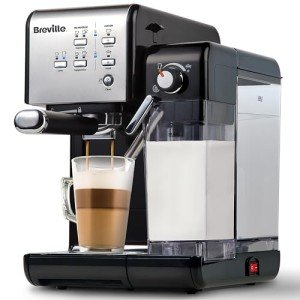 Espresso lovers know that nothing is better than a freshly-brewed cup of the beverage. In espresso machine with milk frother , the demand of this beverage has increased exponentially. You can buy it in a variety of places, from Starbucks to drive-through espresso machines that are available in grocery stores, laundry mats and even gas stations. However, you can also make espresso in your own kitchen using a budget-friendly home espresso machine. The machines operate a bit differently than the ones found in cafes, but they work on similar principles. Espresso makers aren't as user-friendly as drip coffee machines. They require you to manually grind your beans, place them in the portafilter and then use the manual tamping technique. It's not as complicated as it appears. It's actually quite easy and quick, particularly when you have a high-quality burr grinder. If you plan to purchase an espresso machine, make sure you do not compromise on the quality of the grinder. We recommend buying a top-quality grinder that lets you regulate the fineness of the ground coffee. Another feature to consider is the variety of drink options and convenience features that a machine provides. It is possible to choose a machine which can automatically heat or froth milk at the push of the button. You may want an automatic machine that can do everything for you, from grinding to tapping and brewing. A dual-boiler machine is also available, featuring two boilers, one for making brews, and the other for vaporizing. This allows the machine to be ready for brewing and steaming in a matter of minutes. This is ideal if you are hosting guests or preparing multiple drinks at once. But, be aware that this kind of machine requires more frequent descaling, which is a pain and could affect the performance of your machine over time. Cost A home espresso machine can be expensive, but is a great investment. It will pay for itself within some years of savings by not having to purchase coffee at cafes. It's important to compare the whole picture when comparing benefits and costs. This article exposes the hidden costs that come with purchasing a home-based espresso machine. From the initial price tags that are influenced by the features, to the long-term operating and maintenance expenses of a top-quality setup. This includes energy consumption in addition to replacement parts and products and the total price compared to the typical coffee at a cafe. The upfront costs of an espresso machine may vary widely depending on the model you choose. For instance, bean-to- cup machines usually have higher initial costs, whereas traditional lever-operated models can be less expensive. However the more expensive models may also offer a higher level of functionality and accuracy to the user. Even a fairly inexpensive espresso maker can give excellent results when it is used with right beans and brewing technique. However, to get the most delicious cups, it is essential to buy freshly roasted, specialty-grade beans. In fact, if we don't buy the beans even the most sophisticated technology or top-of-the-line design will make up for subpar results. You can make the same drink for $1.48 at home. The average latte at cafes costs $5. If you make a latte every day at home, that's more than $1200 a year that you're not spending on other lattes. If you include the cost of buying a new grinder as well as a tamper and other equipment, a high-quality home espresso machine could easily cost close to $1,200. The price of an espresso machine could be a barrier for some however, it's important to remember that the coffee is the only ingredient that actually provides all of the flavor chemicals needed to make the perfect cup. The espresso machine is just an instrument to help extract the flavor from the beans and it's up to the person drinking to choose the best tools for the job. So, if you're a barista-in-training or just enjoy the flavor of freshly-ground, hand-pulled coffee, then a quality espresso machine can be one of the best investments you can make for your kitchen.